How to Hire a Studio to Run Your Own Photography Workshop or Class in Sydney
July 19, 2026
Hi, and welcome. There is a particular kind of joy in sharing what you know. Whether you are a photographer ready to run your first workshop, an educator building a series of classes, or a brand planning a hands-on content day for your team, teaching in the right room changes everything. At Desk and Studio, we have hosted and watched countless creative sessions, and the space really can make the difference between a good workshop and one people talk about for months.
If you have been searching for creative studio hire in Sydney to run your own session, this guide is for you. We will cover why a hired studio beats a borrowed corner of a cafe, what to look for in a space, and how to plan a day that runs beautifully from the first coffee to the final pack-down.
Why a hired studio is the ideal classroom
Teaching photography or content creation is a practical, hands-on craft. Your students need room to move, good light to work in, and real equipment to put their hands on. A hired studio gives you all three in one place, without you having to cart gear across the city or apologise for a cramped, dim room.
A dedicated space also sets a tone. When people walk into a proper studio, full of natural light and set up for creating, they arrive ready to learn. It signals that you take your teaching seriously, which makes it far easier to charge what your knowledge is worth. And because a good studio already has the lighting, backdrops and space sorted, you get to focus on your students instead of the logistics.
If you are on the other side of this and looking to attend a class rather than run one, our guide to choosing a photography workshop in Sydney is the companion read for you.
What to look for in a workshop space
Not every studio suits a group. When you are hiring a space to teach in, a few features matter far more than they would for a solo shoot. Here is what we suggest you check before you book.
- Room for a group to move. Count your maximum attendees and picture them all with cameras, plus you demonstrating. You want space for people to spread out and try things, not queue for a turn.
- Genuine natural light. A studio full of daylight is forgiving for beginners and lovely to teach in. It also means you can cover natural-light technique before you even switch on a strobe.
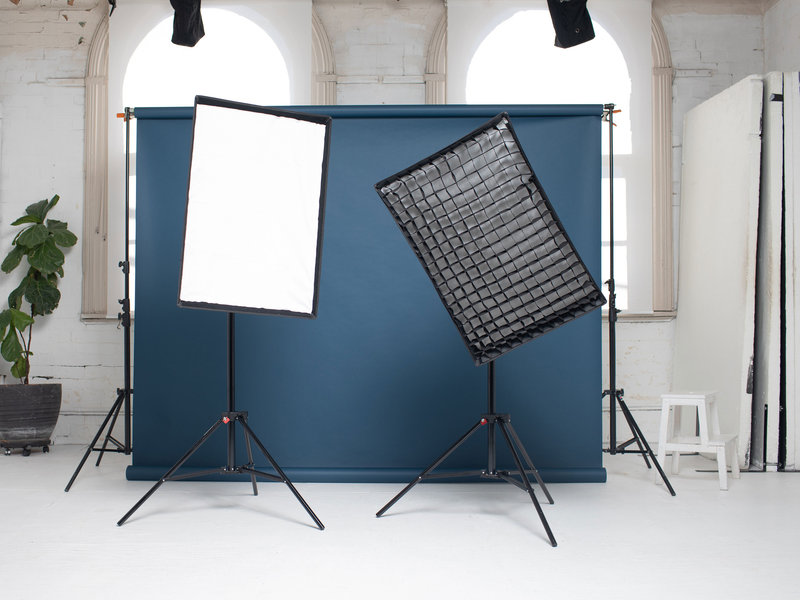
- Access to proper equipment. Look for a space where you can dry hire lighting and backdrop packages, so your students learn on real gear without everyone needing to own it.
- A green room or breakout area. Somewhere for bags, catering, changing and quiet chats keeps your main space clear and your day running smoothly.
- Backdrops and setups ready to go. Paper rolls, stands and a variety of surfaces let you teach different looks without hauling props across town.
- Easy access and parking. Your attendees are carrying gear. A location that is simple to reach, like Sydney’s Inner West, removes a real barrier to people saying yes.
If you would like a fuller checklist for assessing any space, our post on how to choose the right photoshoot space in Sydney digs into the details.
Planning a workshop that runs smoothly
A great session is really a well planned one. Once you have your space booked, this is how we would map out the day so both you and your students get the most from it.
- Book more time than you think you need. Allow for setup before, pack-down after, and a buffer between segments. A rushed workshop feels stressful, and you never want to be watching the clock while someone finally gets their lighting right.
- Write a clear run sheet. Break the day into blocks: welcome, theory, demonstration, hands-on practice, review. Students relax when they can see the shape of the day.
- Balance talking with doing. People learn photography by taking photographs. Aim to get cameras in hands early and often, and keep your lectures short and punchy.
- Prepare your setups in advance. Know exactly which lights, modifiers and backdrops each exercise needs, and have them ready so transitions are quick.
- Cap your numbers thoughtfully. Smaller groups mean everyone gets your attention and a turn in the light. It is better to sell out a cosy class than to overcrowd a big one.
- Send a kit list to attendees. Tell people what to bring, from cameras and lenses to a notebook, so nobody arrives underprepared.
The kinds of sessions the space suits
Creative studio hire is not just for classic photography workshops. Over the years we have seen the space used for all sorts of gatherings, and it is worth thinking broadly about what you could run.
Photography and lighting workshops are the obvious fit, from beginner basics to focused masterclasses on portraiture or studio light. Content and personal branding days work beautifully too, and pair naturally with our guide to planning a content or personal branding shoot. Beyond that, we have seen mentoring sessions, small camera club meetups, model and portfolio evenings, and team content days where a brand brings its people in to learn and create together. If your idea brings a handful of creative people into a room to make something, a studio is very likely the right home for it.
Frequently Asked Questions
Can I hire a photography studio just to run a workshop? Yes. You do not need to be shooting a client job to book. Plenty of educators, photographers and brands hire the studio purely to teach or host a creative session, and a space set up for shooting is ideal for it.
How much space do I need for a photography class? It depends on your numbers and format, but as a guide you want enough room for every attendee to work with a camera at once, plus an area for you to demonstrate. Keeping groups small usually makes for a better experience than filling a room to capacity.
Do attendees need to bring their own equipment? That is your call as the host. Many workshops ask students to bring their own camera and lens, while the studio lighting and backdrops are provided through dry hire. Sharing a clear kit list ahead of time keeps everyone on the same page.
Is the Inner West a good location for a workshop? It is a genuinely convenient one. Petersham sits in Sydney’s Inner West, close to Norton Street in Leichhardt, which is easy for attendees to reach and surrounded by cafes for breaks and catering.
What is included when I hire the studio for a class? You get the natural-light studio space and its setups, with the option to dry hire lighting and backdrop packages, plus a green room for bags, catering and changing. Get in touch and we will help you match the space and add-ons to the session you have in mind.
Ready to teach in a space you will love?
Sharing your craft is one of the most rewarding things a creative can do, and the right room makes it so much easier to do it well. At Desk and Studio, we would be delighted to host your next workshop, class or content day, and to give your students a bright, well equipped space that helps them learn.
Ready to bring your session to life? Book now and come take a tour of the studio in Petersham. We will have the light, the space and the coffee waiting.
More Articles
- Renting Your Own Photography Studio vs Hiring by the Hour in Sydney
- How to Hire a Studio to Run Your Own Photography Workshop or Class in Sydney
- Product Photography in a Hired Studio: How to Plan, Light and Shoot Like a Pro
- Choosing Studio Lighting to Rent: A Photographer's Guide to Lights, Modifiers and Backdrops
- Your First Studio Photography Shoot: A Beginner's Guide
- Photography Studio Rental in Sydney
- Photography Workshops in Sydney and How to Choose One
- How to Find a Photo Studio Near You in Sydney
- Photo Studio Hire in Sydney's Inner West
- How to Choose the Right Photoshoot Space in Sydney
- Self-Shoot Studios: How to Take Your Own Photos in a Hired Space
- How to Hire a Studio for a Boudoir or Portrait Shoot
- How to Hire a Photography Studio in Sydney: The Complete Guide
- How Much Does It Cost to Hire a Photography Studio in Sydney?
- Hot Desk & Creative Coworking in Sydney's Inner West
- Hiring a Video Studio in Sydney: Green Screen, Lighting and Sound
- Dry Hire Explained: Renting Studio Lighting & Backdrops in Sydney
- Planning a Content or Personal Branding Shoot in a Sydney Studio
- Click, Learn, Repeat: A Photographer’s Growth Guide
- The Power of Versatility: Mastering Natural and Studio Light in Photography